From Island Roots to Ocean Guardian
For Akosita Cavora Samuela, protecting fisheries resources was never just an ordinary job, it was a responsibility shaped by her ancestral place of origin.
The 34-year-old fisheries officer from Narocivo Village, Nayau Island in Fiji’s Lau Group grew up, like many outer islands people, surrounded by the ocean, which defined their identity and everyday life.
“It provides food, employment, culture, identity and connection between communities,” she said.
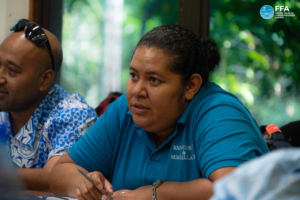
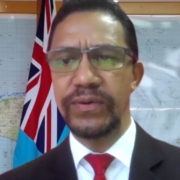
Akosita contributing to the daily briefing during Operation Tui Moana. Photo: FF
That deep connection to the sea eventually inspired a career dedicated to protecting it.
Akosita’s journey into fisheries began after she completed a Diploma in Applied Fisheries Technology at the Fiji National University. She later joined the Offshore Division of the Fiji Ministry of Fisheries, where she gained firsthand experience of the vital role tuna fisheries played in the economy and well-being of Fiji and the wider Pacific region.
“What drew me to this line of work was the responsibility to help protect our oceans for future generations,” she said. “Fisheries work is not only about enforcement. It is about protecting livelihoods, ensuring resources are used sustainably and supporting communities that depend on the ocean every day.”
This sense of responsibility inspired her to join Operation Tui Moana, which took place on 4-22 May 2026, that involved fisheries, maritime and enforcement officers from across the Pacific, working side by side to strengthen regional fisheries monitoring, control and surveillance efforts.
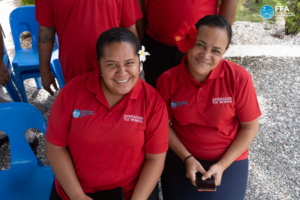
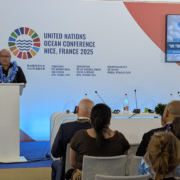
Akosita and Stella from Samoa who were part of Operation Tui Moana. Photo: FFA
Representing Fiji during the operation was a proud and humbling experience.
“It was a great honour,” she reflected. “It made me proud to stand alongside other fisheries officers working together to protect our shared ocean resources and strengthen regional cooperation.”
While much of the operation involved compliance checks, monitoring activities and making sense of information coming in from across the region, Akosita said the most rewarding part was the opportunity to learn from others.
“The most memorable part was learning from officers across the Pacific and sharing experiences on monitoring, control, surveillance and compliance operations.”
However, the operation had its own challenges.
“One of the biggest challenges was adapting to the demanding operational environment and maintaining attention to detail during compliance and monitoring activities,” she said. “Analyst work requires patience, discipline and professionalism at all times.”
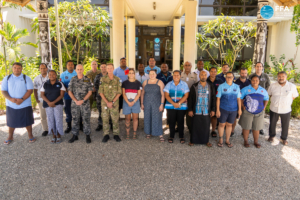
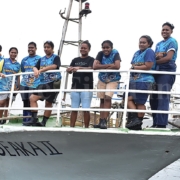
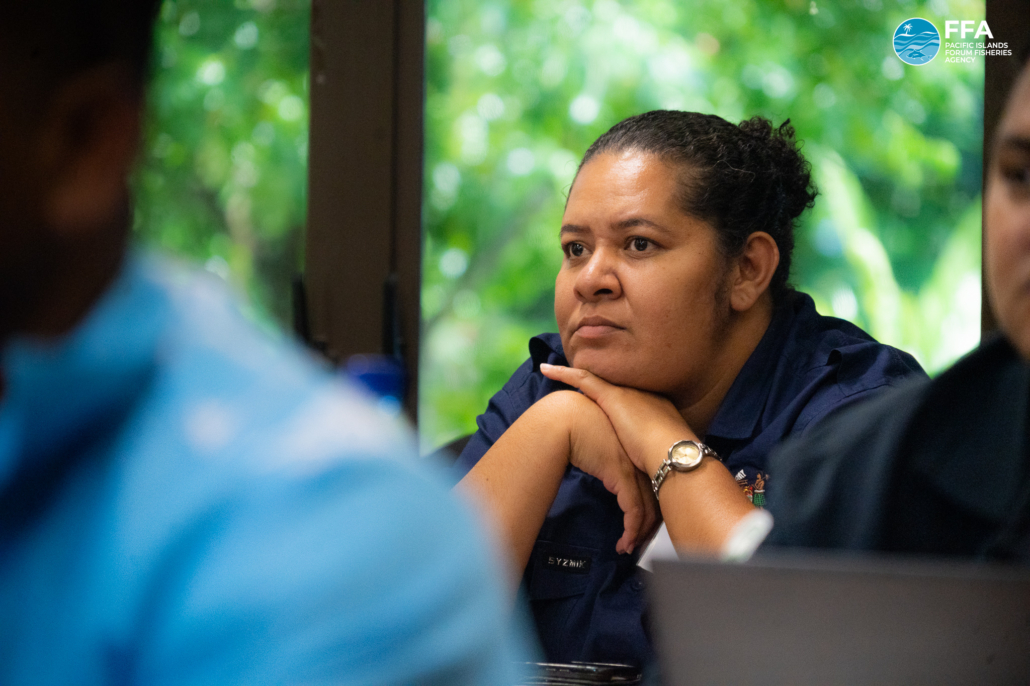
Group photo of Akosita and her fellow secondees during OPTM25 at the FFA’s Conference Centre. Photo: FFA
Yet among the long hours and technical work, one moment stood out in her mind.
“A highlight for me was seeing fisheries, navy and maritime officers working together so effectively despite coming from different countries and backgrounds,” she recalled. “It showed the strength of Pacific unity and our shared commitment to protecting fisheries resources.”
For Akosita, the significance of the operation extended well beyond the operations room.
As a Pacific Islander, she understood that healthy tuna stocks supported economies, created jobs and strengthened food security across the region. Sustainable management today helped ensure those benefits would remain available for future generations.
“What kept me motivated was knowing that the work we did contributed to protecting fisheries resources, combating illegal fishing, supporting communities and safeguarding the future of our fisheries industry.”
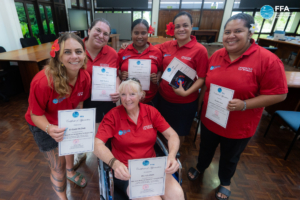
For Akosita, the significance of the operation extended well beyond the operations room.
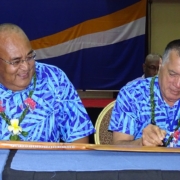
As a Pacific Islander, she understood that healthy tuna stocks supported economies, created jobs and strengthened food security across the region. Akosita and her fellow secondees after their certificate presentation at the end of the operation. Photo: FFA
As she returned home to Fiji, Akosita carried with her new knowledge, skills and experiences that had enriched her professional development, and this would help strengthen fisheries compliance and surveillance efforts. Perhaps the biggest lesson she took away was the fact that protection of Pacific’s fisheries was a shared regional responsibility. “No single country can protect the ocean alone,” she said. “Regional cooperation strengthens enforcement, information sharing and fisheries management across the Pacific.”
For a woman who grew up surrounded by the ocean, that message was both personal and professional. The waters that shaped her childhood were the same waters she now helped protect, helping to ensure future generations could continue to depend on them, just as her ancestors had done for generations.
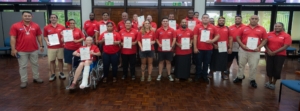
Group photo of secondees after presentation of certificates at the end of the operation. Photo: FFA
About Operation Tui Moana 2026
Operation Tui Moana 2026, led by the Pacific Islands Forum Fisheries Agency (FFA), brought together fisheries, maritime and law enforcement personnel from across the Pacific to strengthen efforts against illegal, unreported and unregulated (IUU) fishing and other transnational maritime crimes.
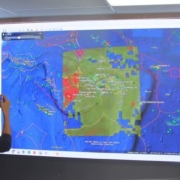
The three-week operation covered the Exclusive Economic Zones (EEZs) of 10 Pacific Island countries and adjacent high seas areas, combining maritime patrols, aerial surveillance, intelligence analysis and compliance monitoring. At its centre was the FFA Regional Fisheries Surveillance Centre (RFSC) in Honiara, where 21 secondees from FFA Members, partner agencies and monitoring, control and surveillance organisations worked together to coordinate intelligence, planning and surveillance activities.
During the operation, authorities conducted 61 vessel inspections, verified more than 200 vessel detections, identified four vessels of interest and made two apprehensions linked to suspected fisheries-related offences.
Operation Tui Moana also strengthened regional cooperation under the Niue Treaty Subsidiary Agreement through joint surveillance activities, boarding exercises and intelligence sharing. As fisheries compliance challenges continue to evolve, operations such as Tui Moana play a vital role in protecting Pacific fisheries resources, supporting the sustainable management of tuna stocks and ensuring the benefits remain with Pacific people, in line with the 2050 Strategy for the Blue Pacific Continent.
HONIARA, 23 JUNE 2026
| Media Contacts: Emily V. Moli FFA Communications Manager e: [email protected] Ernest Ta'asi FFA Communications Officer e: ernest.ta’[email protected] Priscilla Ragu FFA Communications Officer e: [email protected] |  |
| About Pacific Islands Forum Fisheries Agency (FFA) FFA assists its 17 Members to sustainably manage fishery resources that fall within their 200-mile Exclusive Economic Zones (EEZs). FFA provides expertise, technical assistance and other support to its members who make decisions about their tuna resources and participate in regional decision making on tuna management. Find out more here: www.ffa.int |
|