29th MCS Working Group: Investment in capacity and systems reflects positive impact of regional surveillance operations
Investment in capacity across Pacific fisheries monitoring and enforcement is delivering stronger results in regional surveillance operations, as highlighted at the conclusion of the 29th Monitoring, Control and Surveillance (MCS) Working Group.
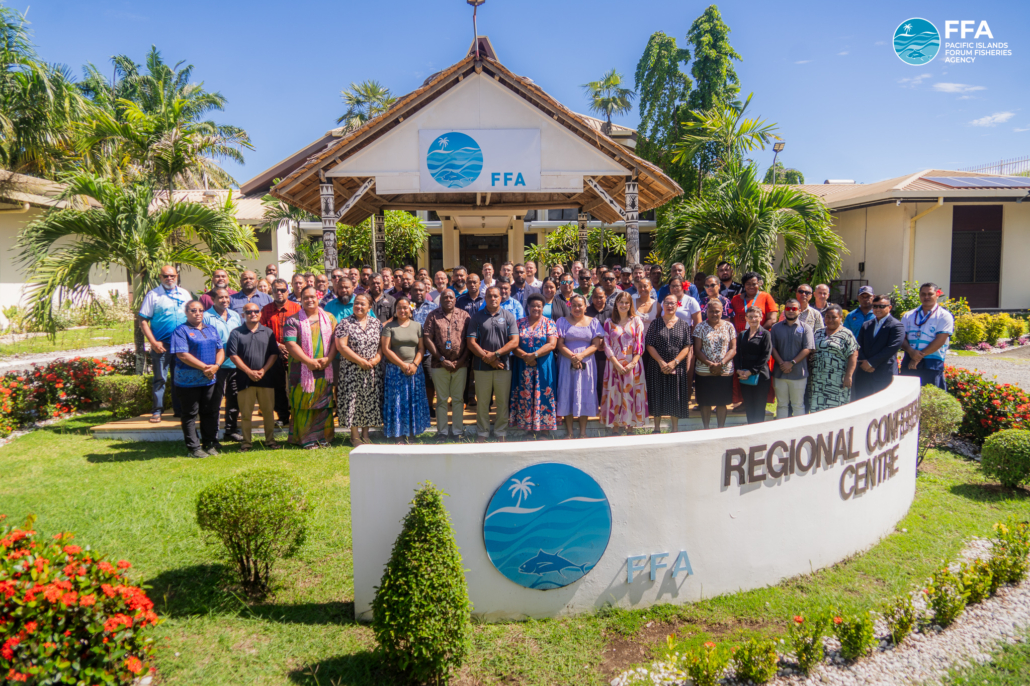
Hosted by the Pacific Islands Forum Fisheries Agency (FFA) in Honiara, the annual meeting brought together about 100 MCS practitioners from all 17 FFA Members, alongside regional and international partners.
Discussions throughout the week highlighted how sustained investment in training, tools, collaboration and coordination is strengthening FFA Members’ ability to monitor and protect fishing activities across their waters and the high seas of the Western and Central Pacific.
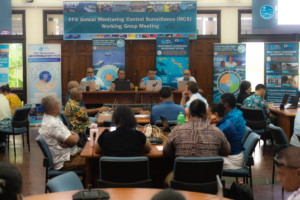
The 29th MCS Working Group gathered about 100 MCS officials from across the FFA Membership, along with regional and international partners. Photo: FFA
Updates on regional training delivered over the past 12 months showed continued expansion of programmes such as Electronic Port State Measures (EPSM), Dockside Boarding and Inspection, High Seas Boarding and Inspection, MCS data analysis tools and fisheries compliance. These efforts are improving national capability and enabling Members to take a more active role in real-time operations supported by the FFA Regional Fisheries Surveillance Centre.
The Working Group noted that strengthened capacity is already reflected in operational outcomes from 2025 regional surveillance activities, including high levels of compliance across monitored vessels and the identification of vessels of interest through coordinated air, sea and satellite surveillance.
FFA Director-General Noan David Pakop meanwhile highlighted the importance of the Working Group as a platform for sharing knowledge, strengthening partnerships and shaping regional policy.
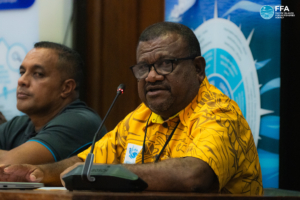
FFA Director-General Noan David Pakop delivering the closing statement of the 29th MCS Working Group Meeting. Photo: FFA
“While we continue to address illegal, unreported and unregulated fishing, we are also contributing to the sustainability of the region’s tuna stocks through stronger tools, coordination and national programmes,” Mr Pakop said in his closing statement at the end of the five-day event.
“This week’s discussions on capacity building reinforce that strengthening national capability across our Members directly supports the collective success of fisheries management in the Pacific.”
Mr Pakop said the outcomes of the 29th MCS Working Group Meeting will inform discussions at the Forum Fisheries Committee (FFC) and continue to support effective fisheries management across the Pacific.
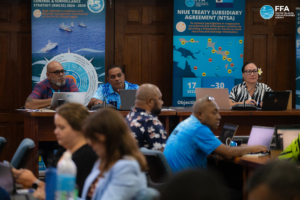
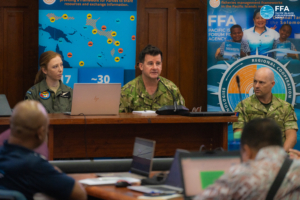
Chair of the 29th MCS Working Group, Launoa Gataua of Niue, leading the discussions that took place at the FFA Headquarters from 23 – 27 March 2026. Photo: FFA
The FFC is FFA’s governing body and is responsible for endorsing recommendations from technical working groups such as the MCS Working Group, including adopted outcomes, to guide regional policy and decision-making.
One of the key outcomes of the Working Group that is expected to go before the FFC, is a proposal for FFA Members to make Electronic Reporting (ER) mandatory through licence terms and conditions. This is projected to improve the timeliness of catch, effort and observer data reporting.
FFA Interim Deputy Director-General and Director of Fisheries Operations, Allan Rahari, said the Working Group plays a key role in strengthening regional cooperation and enforcement.
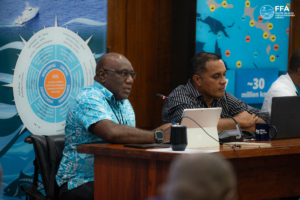
FFA Interim Deputy Director-General and Director of Fisheries Operations, Allan Rahari. Photo: FFA
He noted that the theme of this year’s meeting focused on reflecting on MCS successes and challenges, while assessing the impact of MCS activities across Pacific fisheries.
“It’s about working together and making sure everyone involved complements each other’s efforts,” Mr Rahari said while speaking on opportunities to improve collaboration within the MCS work.
“Tuna does not recognise boundaries or countries, so managing it across the region requires cooperation across the full FFA membership.
“We have achieved quite a lot in working together, and cooperation is the cornerstone of our success in the region. This includes cooperation among FFA Members, as well as with like-minded partners.”
Members also reviewed progress in electronic monitoring, observer programmes and digital systems supporting compliance, including electronic reporting tools, Port State Measures systems and regional Maritime Domain Awareness data platforms.
While progress has been made, discussions highlighted the need to continue improving data integration, access and interoperability across systems.
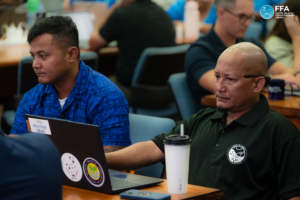
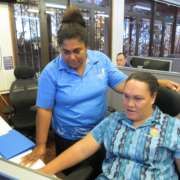
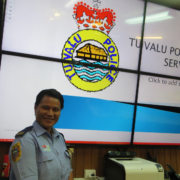
MCS officials from Palau at the MCS Working Group Meeting. Photo: FFA
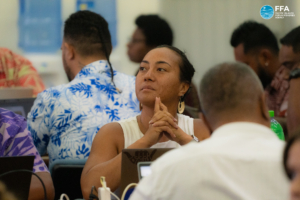
A Cook Islands official at the MCS Working Group meeting. Photo: FFA
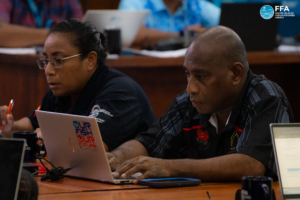
MCS officials from Papua New Guinea. Photo: FFA
Members of the Pacific QUADs. Photo: FFA
Discussions also focused on technical compliance priorities, including data sharing, vessels of interest and regional frameworks such as the Niue Treaty Subsidiary Agreement, which supports coordinated law enforcement across national jurisdictions.
The 29th MCS Working Group noted the growing role of technology, including satellite monitoring, data systems and intelligence tools, alongside the importance of building national capacity to support regional efforts.
The 29th MCS Working Group Meeting was held from 23 to 27 March 2026 at the FFA Headquarters in Honiara.
HONIARA, 30 MARCH 2026
| Media Contacts: Emily V. Moli FFA Communications Manager e: [email protected] Ernest Ta'asi FFA Communications Officer e: ernest.ta’[email protected] Priscilla Ragu FFA Communications Officer e: [email protected] |  |
| About Pacific Islands Forum Fisheries Agency (FFA) FFA assists its 17 Members to sustainably manage fishery resources that fall within their 200-mile Exclusive Economic Zones (EEZs). FFA provides expertise, technical assistance and other support to its members who make decisions about their tuna resources and participate in regional decision making on tuna management. Find out more here: www.ffa.int |
|